




TK Engineering Oy (TKE) has been part of Kvaser’s partner network since it was founded over 20 years ago. Based in Vaasa, Finland, TKE was started with the goal of becoming one of Europe’s leading sources of CAN expertise. Over time, its work has expanded from Finland’s mobile machine market into marine, public transportation, material handling and defence, reaching customers across Europe and the US.
News
27/11/2025
by Kvaser
Helping off-highway and industrial vehicles get smarter, one control system at a time
Designing for durability and longevity
Embedded systems for off-highway and industrial vehicles are a core area of expertise. While CAN technology is the backbone of these systems, TKE integrates technologies like GVA, DDS and ROS2 – protocols that are especially relevant in defence and telematics applications – enabling customers to meet increasingly complex automation requirements.
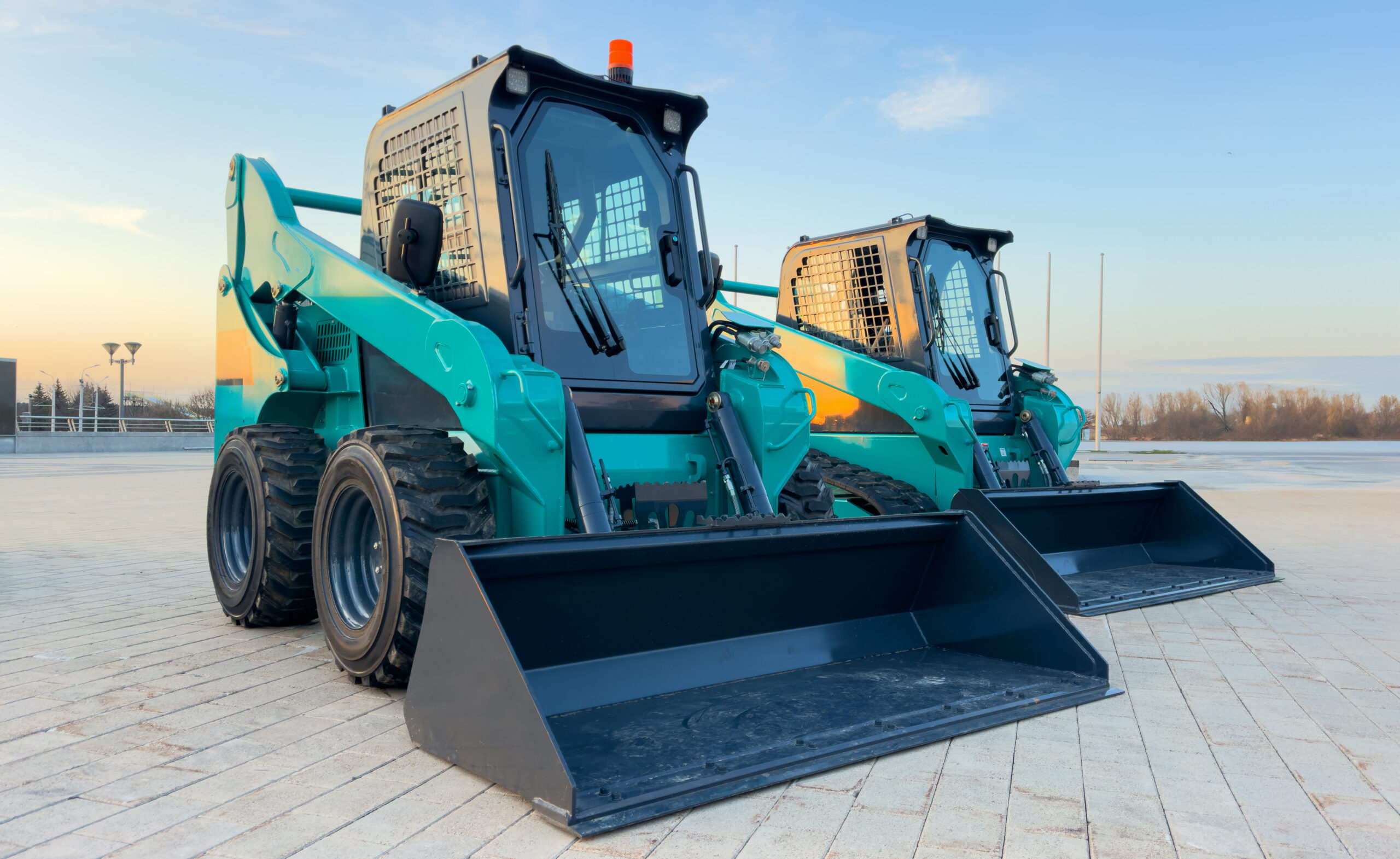
The team’s know-how spans the full system architecture, from control system design and communication protocols to user interface standardisation and integration support. One customer example is a CAN control system that TKE developed for Norcar, a Finnish manufacturer of compact loaders. TKE designed the system architecture and managed the software system integration for Norcar’s a7750 series Miniloader, which won Best Compact Loader in Europe 2025 at Bauma 2025.
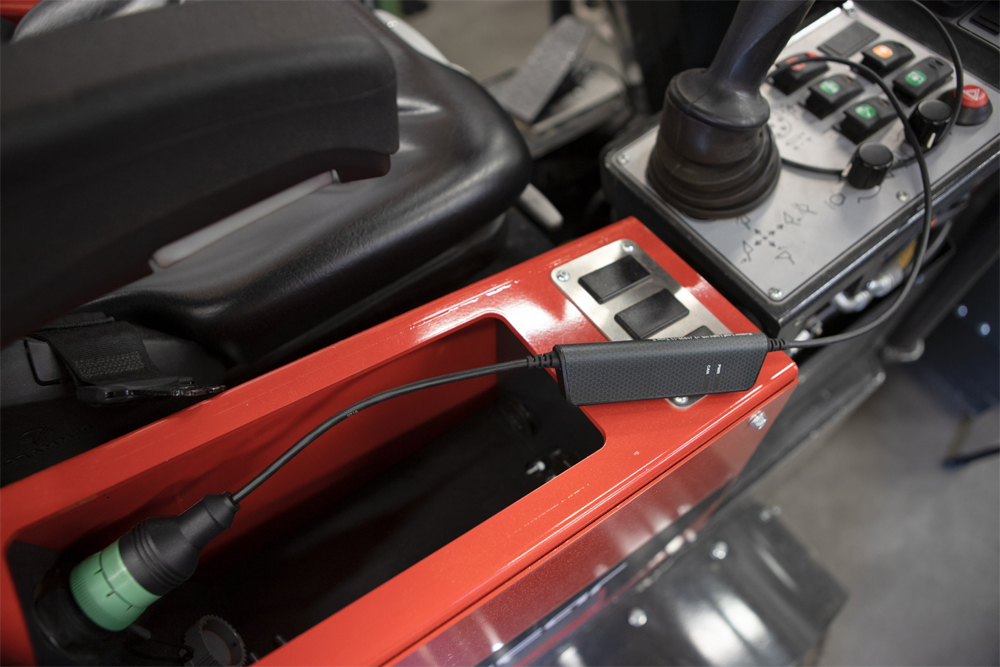
A central preoccupation for TKE, for this project and others, is future-proofing. CEO Timo Kesti explains:
“This is part of our mindset and something we consider throughout the design process. Our goal is to create systems that are scalable and flexible enough to meet customer’s current and future needs. With many years of experience in the industry, we know that the most challenges are related to supplier dependencies or the end of the product life cycle. Taking the right starting points into account from the outset of the planning process can reduce future development costs.”
One method by which TKE achieves future-proofing is to employ a modular software architecture alongside a hardware abstraction layer (HAL). This means that when hardware changes, such as a new processor or sensor, only the HAL needs updating. The core logic stays intact, making upgrades faster and more cost-effective. Adds Kesti:
“The architecture is designed to handle a variety of communication standards. We guarantee the seamless integration of newer or more advanced protocols. This means the system can easily support new features, more sensors, or even integration with additional control units without a full system redesign.”
Looking ahead
TKE continues to evolve, exploring new network technologies like Modbus RTU/UDP and remote connectivity, while maintaining its core strength in CAN. The goal is simple: to combine technical expertise, hands-on experience, and a genuine desire to help.
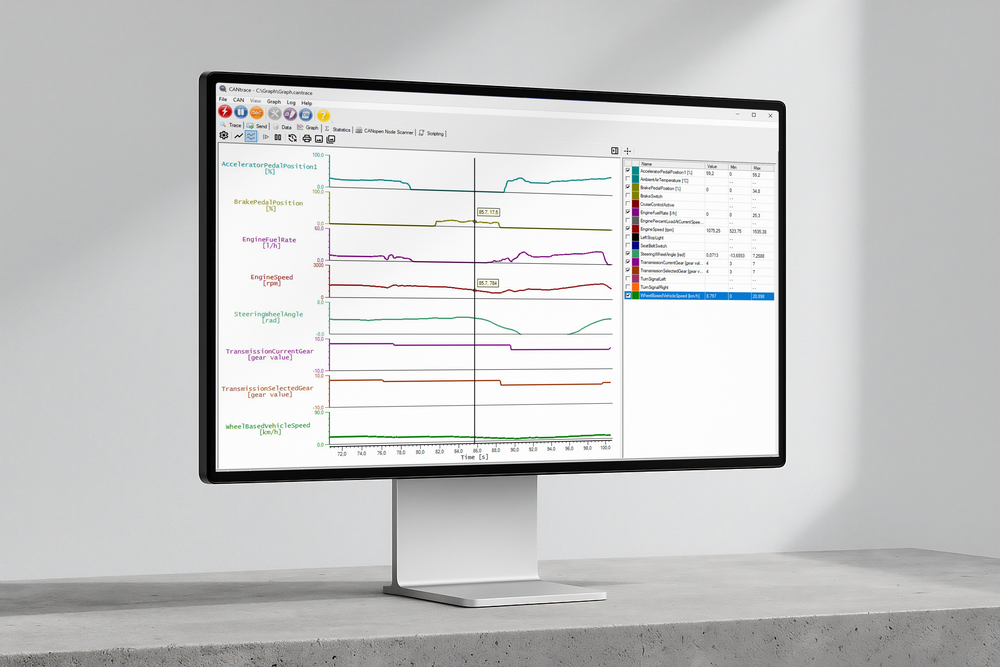
To ensure that systems perform reliably in real-world conditions, TKE uses its CANtrace software to simulate ECU traffic and test system behaviour. CANtrace can replay recorded log files or generate live messages using Python scripting, as well as decode complex protocol data.
 linkedin
 twitter
 youtube
 youku
youku weixin
 1...2...3...